Rooms That Report Back: An IT Operating Model for Hybrid Meeting Spaces

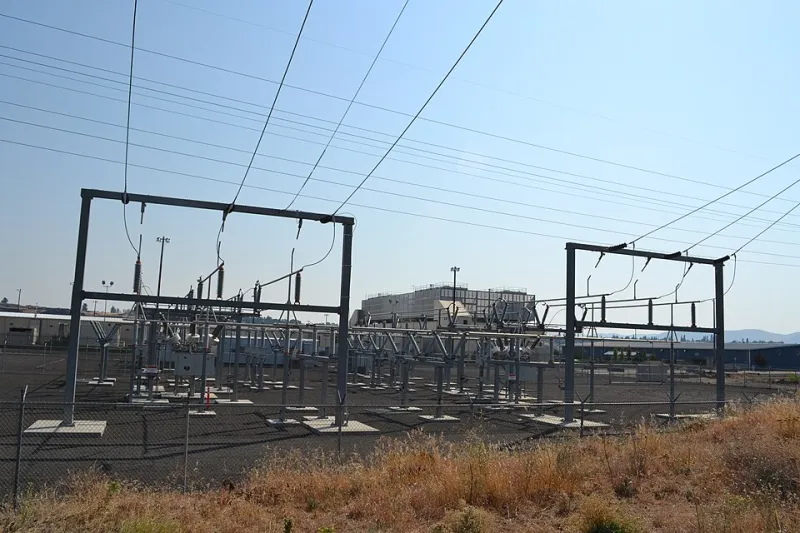
Photo: Press Information Department, Public domain, via Wikimedia Commons
Hybrid meetings fail in ordinary ways. A camera is offline before a board session. A room controller has lost its certificate. A firmware update has changed the microphone behaviour. The meeting room is no longer a fixture maintained by facilities; it is an edge environment with compute, identity, network dependencies and a lifecycle. Many UK organisations, however, still manage it as furniture with a support contract.
The result is predictable. IT is called after the meeting has started, the vendor is engaged without diagnostic evidence, and the room is restored without anyone owning the underlying cause. A practical operating model for meeting spaces starts with a simple shift: treat each room as a managed endpoint on the network, with a service owner, a support tier and a monthly health review.
The room is an edge device, not a fixture
A modern meeting room contains a room system, camera, microphone array, display, control panel and often a scheduling panel. Each has firmware, credentials, certificates and a support entitlement. The room also depends on network services: DHCP, DNS, NTP, VLAN configuration, firewall rules and quality of service. None of these components is static.
When IT inherits a room, it inherits all of them. The operating model should reflect that. A room is not supported because a vendor has a warranty; it is supported because someone can see its health, approve its changes and escalate its failures.
Build a room inventory that IT can act on
A spreadsheet of room names and extensions is not an inventory. IT needs a record that supports action. For each room, capture the room identifier, location, business owner, room system model, peripherals and serial numbers, firmware versions, subscription entitlements, warranty dates, network port and VLAN, IP address, identity account, certificate expiry, support tier and last patched date.
The inventory should also record accessibility features and any room-specific constraints, such as listed-building restrictions or shared-use arrangements. These details matter during incidents and during procurement. If a room cannot be remotely managed, the inventory should say so before the first failure, not after it.
Segment, monitor and integrate with the service desk
Meeting room traffic should be segmented from general user networks, with clear rules for the room system, management portal, identity provider and any casting or guest-access service. Quality of service should protect real-time media, and firewall rules should be reviewed when vendors add cloud services. NTP and certificate management deserve explicit ownership; time drift and expired certificates are common causes of avoidable room outages.
Monitoring should go beyond a ping test. Useful signals include device heartbeat, peripheral health, call quality indicators, firmware compliance, certificate expiry, login failures and control-panel responsiveness. Alerts should feed the IT service management tool, with thresholds that reflect meeting criticality. A room used for weekly team calls does not need the same response as a room used for regulated board meetings, but both need to be visible.
Firmware ownership is a recurring gap
If nobody owns firmware, the vendor portal becomes the de facto change authority. That is not a support model. Organisations should assign firmware approval to a named role, define maintenance windows around meeting patterns, and require a rollback position before updates are applied. Where a vendor pushes updates automatically, the organisation should still record what changed and when.
Firmware ownership also affects security. Room systems are network-connected devices with credentials and management interfaces. They should be included in vulnerability management and patching reporting, even if the remediation route is a vendor update rather than an internal patch.
Escalation paths should match meeting severity
A room failure two minutes before a client presentation is different from a faulty control panel reported on a quiet Friday. The escalation model should reflect that difference. Define severity levels by meeting criticality, not by device type. Tier 1 service desk should capture the room identifier, symptom, affected meeting and any recent change. Tier 2 should combine AV and network diagnostic skills. Tier 3 should be the vendor or specialist integrator, engaged with evidence rather than a vague report.
Remote support should be the default where possible, with a named local contact for physical checks. The model should also include a pre-meeting health check for critical rooms and a clear route for users to report issues without leaving the meeting.
Procurement questions that expose hidden subscription costs
Meeting room procurement often focuses on hardware and installation. The recurring costs sit elsewhere. Buyers should ask whether room licences are per device or per user, whether remote management and monitoring are included, whether firmware updates require a support plan, and whether analytics, recording, PSTN calling or directory integration carry separate charges.
Other questions matter too. What happens at warranty expiry? Are spares available in the UK? Can the vendor provide API access for monitoring? What are the data retention and residency terms for room analytics? Does the system support the organisation's identity provider and accessibility requirements? What is the end-of-life date, and what are the decommissioning and WEEE obligations? These questions should be answered before renewal, not after the first surprise invoice.
A workable support model for inherited rooms
IT teams do not need to become broadcast engineers. They need a service owner, a room standard, a change process and a review rhythm. The service owner maintains the inventory, agrees escalation paths and reviews health reports. The room standard defines approved hardware, network requirements and support entitlements. The change process covers firmware, configuration and new room builds. The review rhythm catches recurring faults and subscription creep.
That model gives the organisation something more valuable than a vendor hotline: evidence. When a room fails, IT can show what changed, who owns the fix and how quickly it was restored. When procurement negotiates a renewal, it can compare actual support data with the subscription being proposed. The meeting room may still be a physical space, but it behaves like a managed network edge.